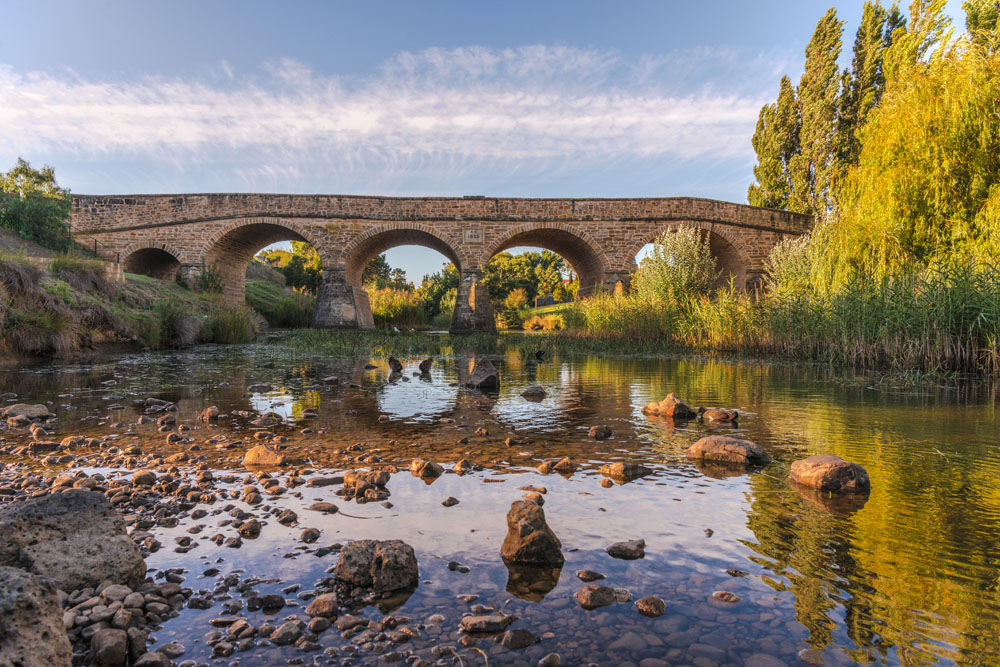
Highlights
- Our island is home to over 1,000 mountain peaks, ancient rainforests and untouched beaches. With a large proportion of the state protected as a World Heritage Area, there are endless opportunities for hiking, mountain biking and outdoor exploration.
- We are world famous for our amazing produce, including wild-caught seafood, fresh seasonal fruits and boutique, hand-crafted beer, wine and spirits.
- Tasmania was the first Australian state to achieve net zero emissions and has been powered by 100% clean, renewable energy for decades. This means you get to live in one of the world's greenest, most sustainable places on the planet.
Our cities
-
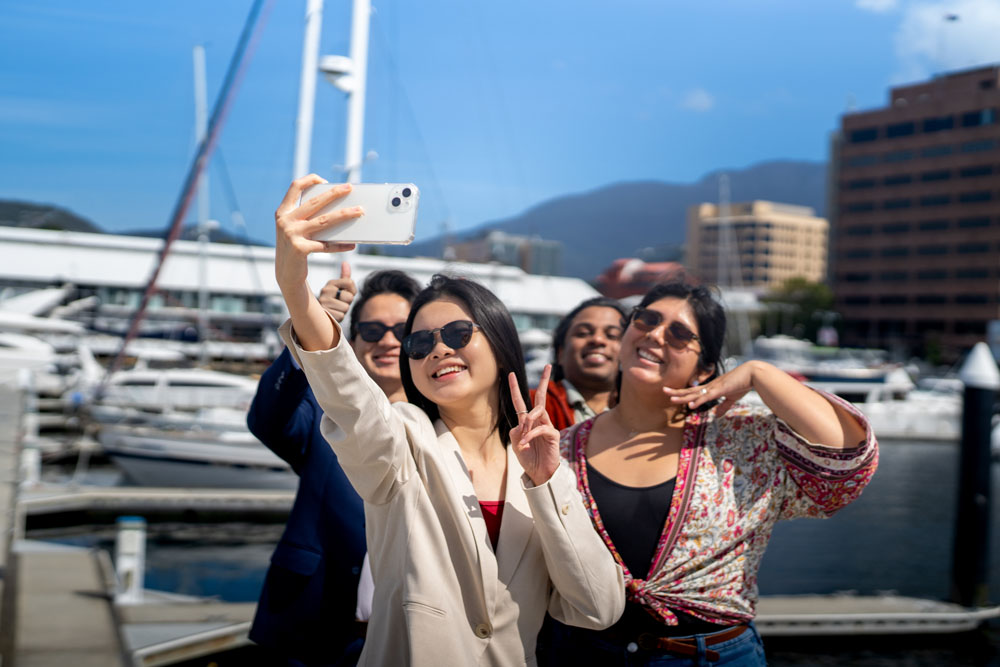
Hobart
Tasmania’s capital city, combining dramatic natural beauty with a sophisticated urban culture, creating a giant outdoor playground for students. -
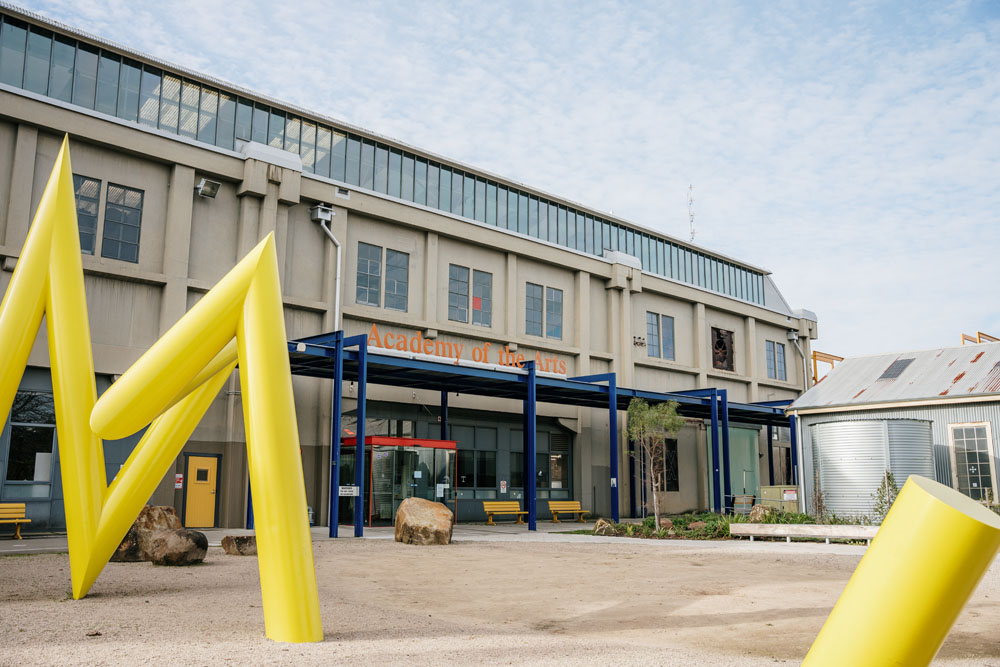
Launceston
A relaxed and immersive lifestyle with world-class food and wine scene, set alongside a spectacular natural canyon of the Cataract Gorge. -
-
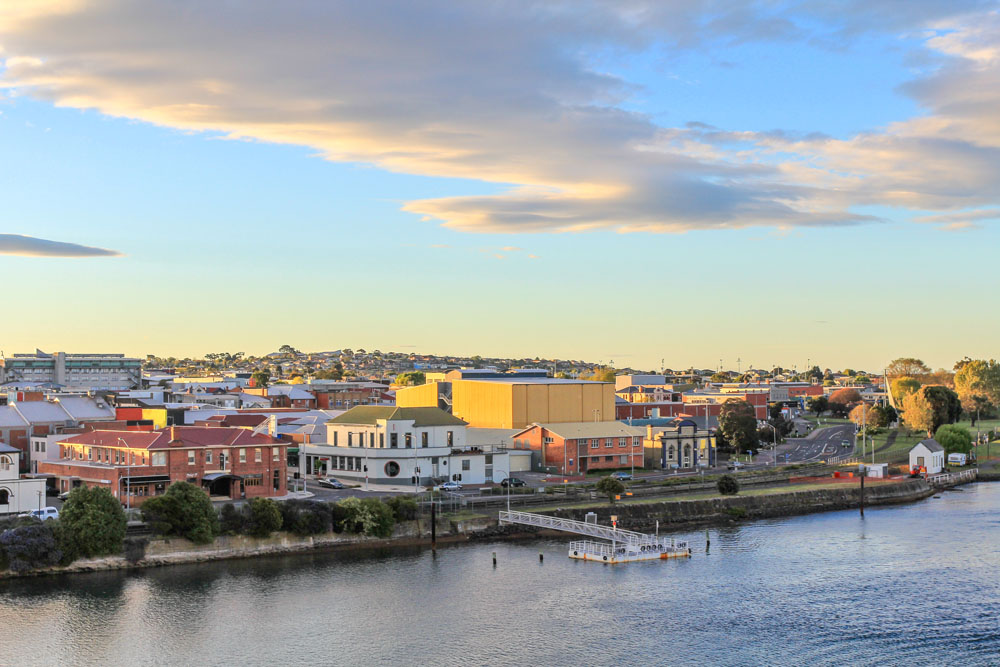
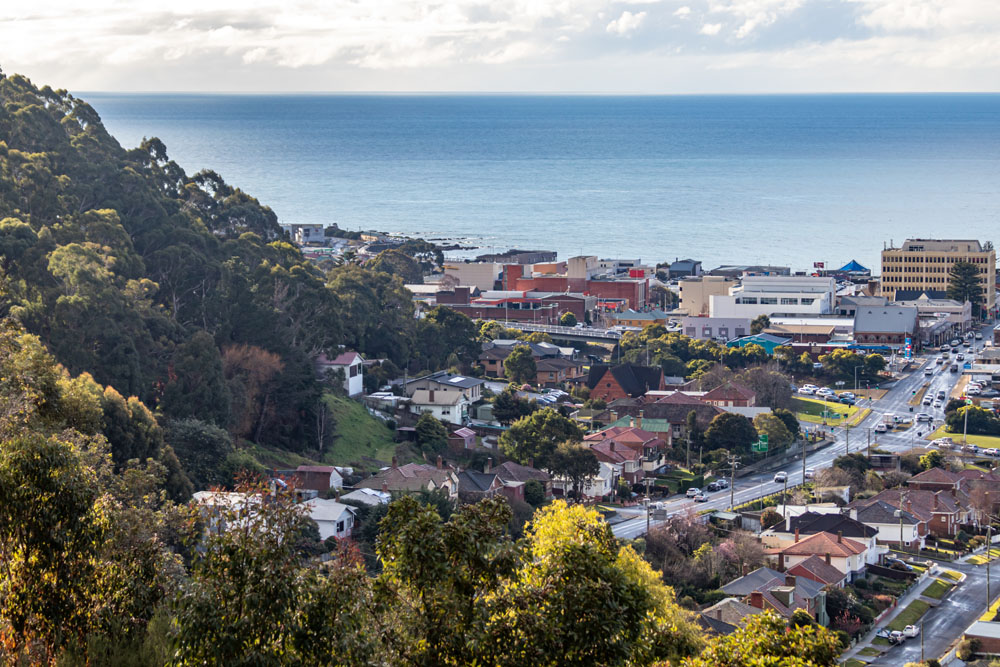
Devonport
Small city living, with surf beaches, riverside walks and access to some of the best produce in the world.
Tasmanian weather
Tasmania enjoys a temperate maritime climate that is fresh, comfortable and ideal for an active lifestyle. The island is protected from the intense, scorching heatwaves often experienced on the Australian mainland, creating a cooler and more moderate climate year-round.
You will experience the magic of four distinct seasons, each bringing its own unique charm; from long, sun-drenched summer days perfect for beach adventures, to cozy winter evenings framed by snow-capped peaks. Hobart’s climate is defined by remarkably clean air, clear skies and a gentle pace of nature that invites you to get outside and explore.
For detailed and up-to-date weather information, visit the Bureau of Meteorology website.
Experience the beauty of four distinct seasons
Located at a similar latitude to Mediterranean cities such as Rome and Barcelona, Tasmania enjoys a temperate climate moderated by the surrounding oceans.
This creates four distinct seasons that continually transform the landscape, offering new and beautiful landscapes throughout the year.




Public holidays
Tasmania observes a range of public holidays throughout the year, celebrating national, religious and local events.
When public holidays such as Christmas, Boxing Day, New Year’s Day, or Australia Day fall on a weekend, the public holiday is usually observed on the following Monday or Tuesday.
For a full list of all statewide and regional holidays in Tasmania, visit the WorkSafe Tasmania website.
Understanding daylight saving time
To make the most of the "Aussie" summer, Tasmania observes daylight saving time from the first Sunday in October to the first Sunday in April. This provides Tasmanians with longer daylight hours in the evening.
Most smartphones and digital devices update automatically, but remember to manually adjust any analog watches or clocks.
Additionally, be mindful of time differences when planning virtual meetings with colleagues or friends in other Australian states and territories, as not all regions observe daylight saving time.
Cultural diversity
Many people from across the globe choose to call Tasmania home because of its inclusive communities and welcoming way of life. Students and residents enjoy a strong sense of safety, freedom and connection, without the pressures of overcrowded cities.
Tasmania's cities are small enough to foster strong community relationships, while still offering all the modern amenities and conveniences you would expect from a major Australian city.